Chemical Peel vs. Microneedling in Newmarket: How to Choose the Right Skin Treatment
N.H.F Clinics • August 5, 2026
Dull texture. Fine lines. Acne scars. Uneven tone. If any of those sound familiar, you’ve probably come across two treatments that promise to help: chemical peels and microneedling. Both are excellent. Both are popular. And both work in completely different ways — which means one of them is probably a better fit for your particular skin.
This guide explains how each works, what each treats best, what recovery actually looks like, and how to decide between a chemical peel in Newmarket and microneedling in Newmarket.
How a Chemical Peel Works: Resurfacing from the Top Down
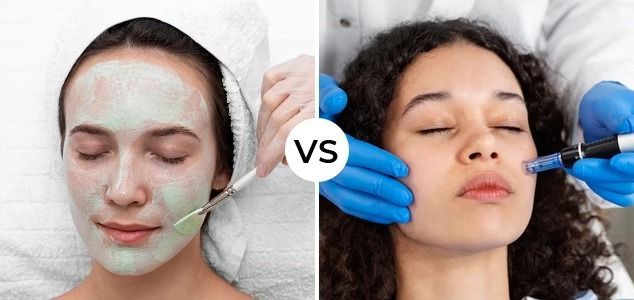
A chemical peel applies a customized solution to the skin that loosens and removes the damaged outer layers, revealing the fresher, smoother skin underneath. Think of it as accelerating your skin’s natural shedding process in a controlled, professional way.
The American Academy of Dermatology notes that dermatologists use chemical peels to diminish many signs of aging on the face, neck, chest, and hands, and also to treat certain types of acne and conditions that discolour the skin. Peels come in different depths — lighter peels offer little downtime and are often done in a series, while deeper peels do more in one session but require real recovery time.
Because peels work chemically on the surface and act on pigment, they are particularly strong at
tone problems: sun damage, dullness, uneven pigmentation, and congestion.
How Microneedling Works: Rebuilding from the Inside Out
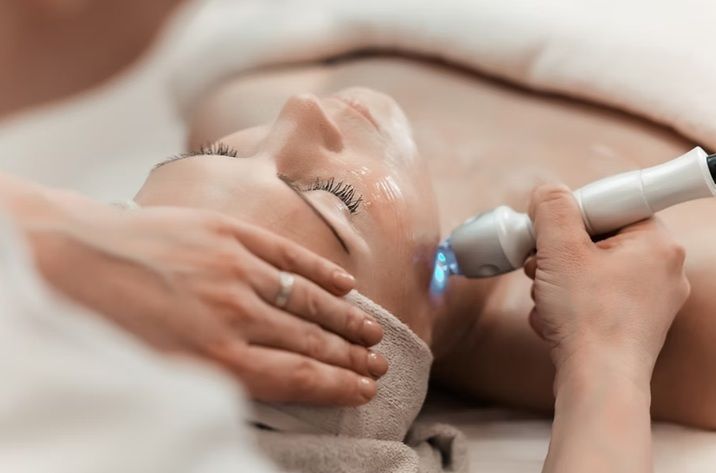
Microneedling takes the opposite route. Instead of removing the surface, it uses very fine needles to create thousands of microscopic channels in the skin. Those tiny, controlled injuries trigger your body’s natural repair response — which means new collagen and elastin. That’s why it’s often called collagen induction therapy.
Because it rebuilds the skin’s underlying structure rather than stripping the top, microneedling excels at texture problems: indented acne scars, enlarged-looking pores, fine lines, and overall firmness. It’s also generally considered safe across a wide range of skin tones, which is an important advantage.
Which One Treats Your Concern?
- Choose a chemical peel if your main concern is tone: sun spots, uneven pigmentation, dullness, blackheads and congestion, or a general lack of radiance.
- Choose microneedling if your main concern is texture: indented acne scars, rough or bumpy texture, fine lines, or skin that has lost its firmness.
- Consider both if you have acne scarring with discolouration
— a very common combination. Many clients get their best results from a planned sequence rather than choosing just one. If acne scarring is your primary concern, our dedicated
scar treatment and
skin resurfacing options may also be part of the conversation.
Let’s be honest about downtime, because this often decides it. After a light chemical peel, expect some redness followed by a few days of flaking or scaling — the AAD notes healing from a light peel can be as short as one to seven days, while deeper peels require considerably longer. After microneedling, expect redness that looks a bit like a mild sunburn for roughly one to three days, with skin feeling tight or dry as it repairs.
In both cases, one rule is non-negotiable: diligent sun protection while your skin heals. Freshly treated skin is more vulnerable to UV damage and pigmentation problems, and skipping sunscreen is the fastest way to undo your results.
How Many Sessions Will You Need?
Neither treatment is usually a one-and-done. Lighter peels are typically done in a series spaced a few weeks apart, and microneedling builds collagen gradually, so results improve across several sessions and continue developing for months afterward. Patience is genuinely part of the treatment — the changes that last are the ones your skin builds itself.
The Honest Answer: Get an Assessment First
We could give you a flowchart, but skin doesn’t work that way. Your skin type, your history, your sensitivity, your tolerance for downtime, and your actual goals all matter. A skin and facial assessment lets us look at your skin properly and recommend the right treatment — or the right combination, in the right order.
If you’re simply after hydration and glow with zero downtime, by the way, neither may be what you need — our HydraBrasion PRO hydration facial might be the better call. We’d rather tell you that than sell you a treatment you don’t need.
How to Prepare — and How to Protect Your Results
A little preparation makes a real difference with both treatments. In the weeks beforehand, we’ll usually ask you to pause retinoids and strong exfoliating acids, avoid waxing or other harsh treatments on the area, and — most importantly — stay out of the sun and away from tanning beds. Arriving with tanned or irritated skin can mean rescheduling, so it’s worth planning ahead.
Afterwards, the rules are simple but non-negotiable. Keep the skin clean and well moisturized, resist the urge to pick or peel flaking skin (this is how scarring and infection happen), skip makeup until your provider says otherwise, and wear broad-spectrum sunscreen every single day. Your skin has just done real work rebuilding itself — sun exposure at that stage is the fastest way to waste it. We’ll give you clear, written aftercare so you’re never guessing.
Frequently Asked Questions
1. Which is better for acne scars?
Microneedling generally has the edge for indented acne scars because it rebuilds collagen in the skin’s structure. If your scarring also involves dark marks, a peel or a combination approach may serve you better. Your assessment will determine the best plan.
2. Which has less downtime?
A light chemical peel and microneedling both have modest downtime — typically a few days of flaking or redness respectively. Deeper peels require significantly more recovery time.
3. Can I do both?
Often, yes — but not on the same day. They’re usually spaced out in a planned sequence so your skin has time to recover between treatments.
4. Is microneedling safe for darker skin tones?
Microneedling is generally considered a good option across a broad range of skin tones. We’ll confirm suitability during your consultation.
5. Do these treatments hurt?
Both are well tolerated. Peels can cause a warm, tingling sensation, and numbing cream is typically used for microneedling to keep you comfortable.
Book Your Skin Consultation in Newmarket
Ready to stop guessing and start treating your skin properly? N.H.F Clinics welcomes clients from Newmarket, Aurora, East Gwillimbury, Bradford, Stouffville, and the surrounding York Region communities.
Book a consultation and we’ll match the right treatment to your skin.
Share This Blog